The Changing Face of Jesus
This is the English-translated outline of the Sermon preached by Rev. Musubi Tabuchi to the congregations of Ashiya Christian Church and Unfinished Community on Sunday, February 15, 2026, drawing from Matthew 17:1-9
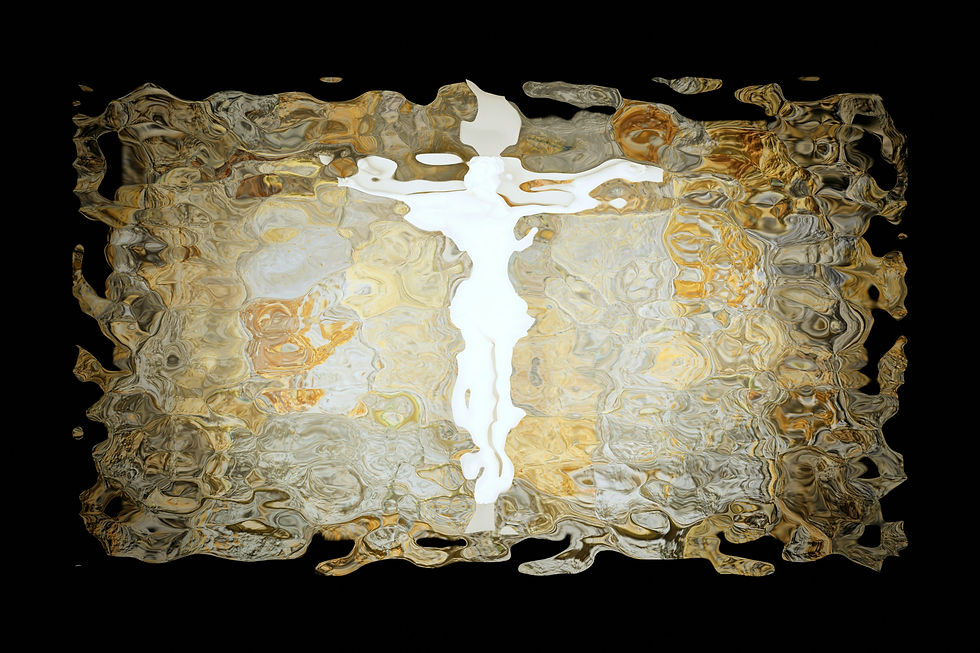
Today is, in the traditional church calendar, Transfiguration Sunday, and the passage from the Gospel of Matthew has been chosen to reflect on this event. This event marks the midpoint of Jesus' ministry. Immediately preceding it, in Matthew 16, Jesus begins to speak clearly about his own death on the cross and resurrection, saying, “From that time on” (Matthew 16:21). Immediately afterward, Jesus' appearance changed, and he was seen conversing on a mountain with Moses and Elijah, two “prophets” representing the Old Testament. Witnessing this, the disciples were deeply moved, as if shown how truly magnificent Jesus truly was.
However, this passage seems intended to provide a firm reflection on Jesus' ministry up to that point, from this pivotal moment in his ministry. The voice from heaven at the end—“This is my beloved Son...”—echoes the words spoken at Jesus' baptism in the Jordan River. Moses and Elijah, two great figures from the Old Testament, demonstrate their greatness precisely because they persisted in obeying God's will, even amidst adversity, while remaining conscious of their own weaknesses. During the Exodus, Moses initially clashed with the Pharaoh of Egypt and later endured constant criticism from his own people, the Israelites, in the wilderness. Elijah, in the Book of Kings, faced fierce persecution from King Ahab and his wife Jezebel, praying to God to take his life. In other words, Jesus too, by obeying God's will to the end, endured suffering and the agony of death on the cross even greater than these two prophets. This is what is shown here once again.
While the disciples were moved by witnessing Jesus' transfigured form on that mountain, radiant with divine light as he conversed with the great prophets, they failed to grasp its true essence—his impending suffering and death at the hands of God. They were forbidden to speak of this event until after Jesus' resurrection, likely because their own emotional awe prevented them from understanding its meaning, and they were restrained from interpreting and sharing it arbitrarily. This is precisely the pitfall in the life of faith in Jesus: such seemingly religious awe and wonder. When we become captivated by it, we lose sight of the true meaning, the very essence of Jesus' salvation. The disciples should have focused their thoughts precisely on the suffering of death leading to Jesus' resurrection, on its meaning.



Comments